
Optimizing Your Results:
A Nutritional Guide to Natural Maintenance
Important Note: This guide is intended to support, not replace, medical treatment. While diet is powerful for maintenance, it cannot replicate the high-dose therapeutic levels achieved through IV or injection therapy.
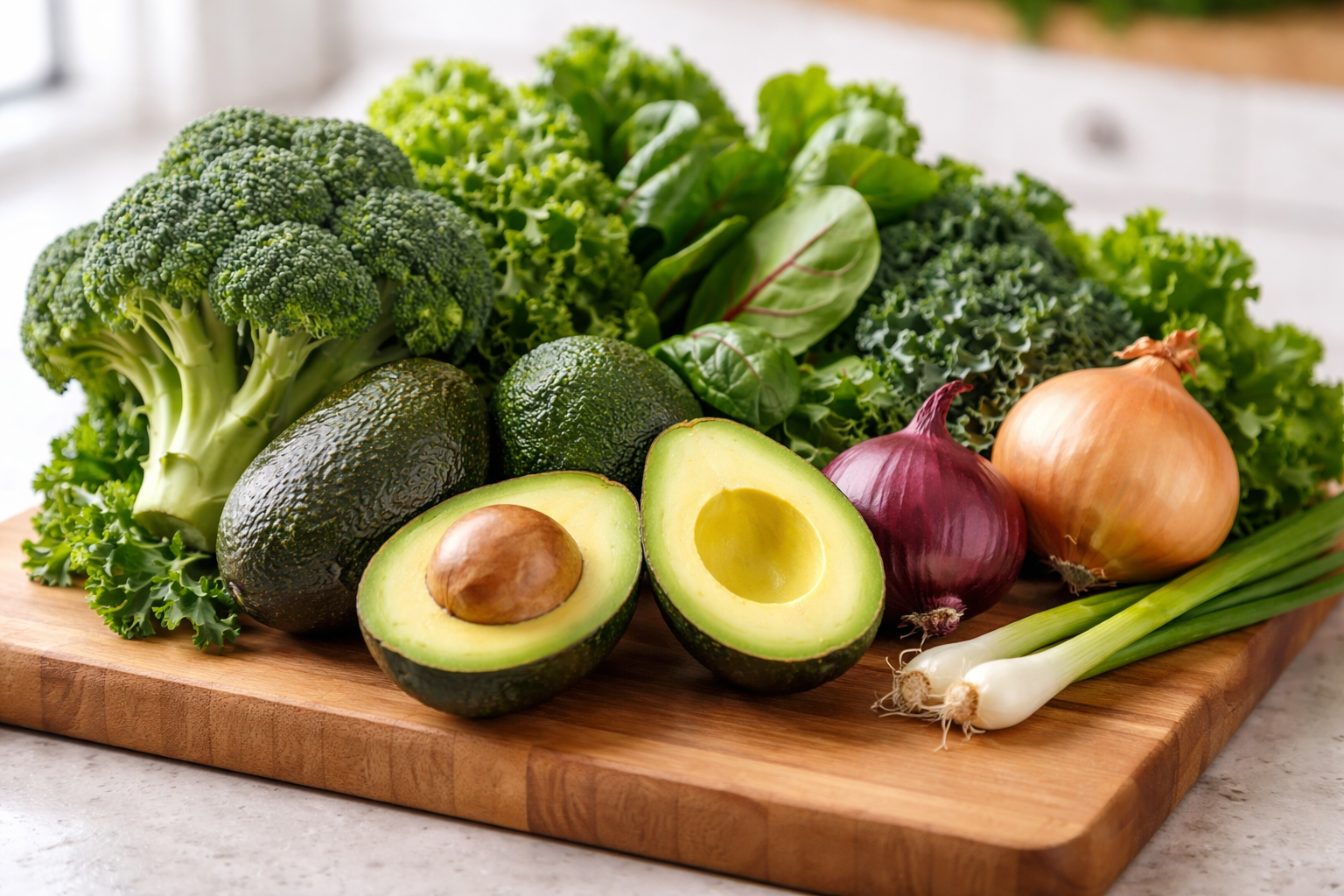
Feed Your Body Between Treatments
Our infusion therapies are designed to restore optimal levels of vital nutrients rapidly. However, the key to long-term wellness lies in how you fuel your body every day. By incorporating specific nutrient-dense foods into your diet, you can maintain your levels longer, support your metabolism, and enhance the effects of your treatments.
Here is a guide to the natural sources of the nutrients we use in our clinic.

B-Complex Vitamins
The Goal: Sustainable Energy & Nervous System Support
Because B vitamins are water-soluble, your body flushes them out daily. Consistent intake is crucial to avoid the "crash" and keep your energy architecture stable.
Top Food Sources:
Animal Proteins: Salmon, trout, beef liver (the ultimate B-vitamin superfood), eggs, and chicken breast.
Plant-Based: Nutritional yeast (often fortified), legumes (lentils, chickpeas), sunflower seeds, and almonds.
Leafy Greens: Spinach and kale (rich in Folate/B9).
Pro Tip: Don't Overcook. B vitamins are sensitive to heat. Lightly steaming or sautéing vegetables preserves more B vitamins than boiling them.
(B1, B2, B3, B5, B6, B12)
NAD+ Precursors
(Tryptophan & Niacin)
The Goal: Detoxification & Skin Health
While you can consume glutathione directly, it is often broken down during digestion. A more effective strategy is to eat foods rich in sulfur and selenium, which provide the building blocks your liver needs to produce its own glutathione.
Top Food Sources:
Sulfur-Rich Vegetables: Garlic, onions, shallots, broccoli, cauliflower, Brussels sprouts, and cabbage.
Selenium Sources: Brazil nuts (just 1–2 per day provides your daily need), yellowfin tuna, and sardines.
Vitamin C Boosters: Citrus fruits, bell peppers, and kiwi (Vitamin C helps recycle glutathione in the body).
Pro Tip: Go Raw or Fermented. Raw garlic and onions contain higher active sulfur compounds. Fermented foods like kimchi or sauerkraut are also excellent for gut health, which supports absorption.
The Goal: Detoxification & Skin Health
While you can consume glutathione directly, it is often broken down during digestion. A more effective strategy is to eat foods rich in sulfur and selenium, which provide the building blocks your liver needs to produce its own glutathione.
Top Food Sources:
Sulfur-Rich Vegetables: Garlic, onions, shallots, broccoli, cauliflower, Brussels sprouts, and cabbage.
Selenium Sources: Brazil nuts (just 1–2 per day provides your daily need), yellowfin tuna, and sardines.
Vitamin C Boosters: Citrus fruits, bell peppers, and kiwi (Vitamin C helps recycle glutathione in the body).
Pro Tip: Go Raw or Fermented. Raw garlic and onions contain higher active sulfur compounds. Fermented foods like kimchi or sauerkraut are also excellent for gut health, which supports absorption.
Glutathione Support
The Goal: Immune Defense & Bone Strength
Vitamin D is unique because it acts more like a hormone. While sunlight is the best source, obtaining sufficient levels through diet alone is difficult but possible with targeted choices.
Top Food Sources:
Fatty Fish: Salmon, mackerel, sardines, and herring.
Fortified Foods: Cow’s milk, plant-based milks (oat, almond), and orange juice (check the label).
Mushrooms: Maitake and Portobello mushrooms (especially if they have been exposed to UV light during growth).
Egg Yolks: Pasture-raised eggs typically have higher Vitamin D levels.
Pro Tip: Pair with Fat. Vitamin D is fat-soluble. Always eat these foods with a healthy fat (like avocado, olive oil, or nuts) to ensure your body actually absorbs the vitamin.
Vitamin D
Summary: Your Grocery List for Wellness
| Nutrient Class | Primary Function | "Power Foods" to Buy | Cooking Secret |
|---|---|---|---|
| B-Complex | Energy & Mood | Salmon, Eggs, Nutritional Yeast, Spinach | Steam greens; don’t boil. |
| Glutathione | Detox & Skin | Garlic, Onions, Broccoli, Brazil Nuts | Eat allium vegetables raw if possible. |
| Vitamin D | Immunity & Bones | Fatty Fish (Mackerel), Fortified Milk, Egg Yolks | Always eat with healthy fats. |
| NAD+ Support | Anti-Aging & Brain | Turkey, Avocado, Dark Chocolate, Green Tea | Combine with intermittent fasting. |
Meal Plans & Other Protocols
Medical Disclaimer: The following meal plans and other protocols are for educational purposes. Dietary changes, especially specific protocols like MEND/KetoFLEX, should be supervised by a physician or a registered dietitian to ensure safety, particularly for patients with co-morbidities like diabetes or cardiovascular issues.